
The History of Funerals

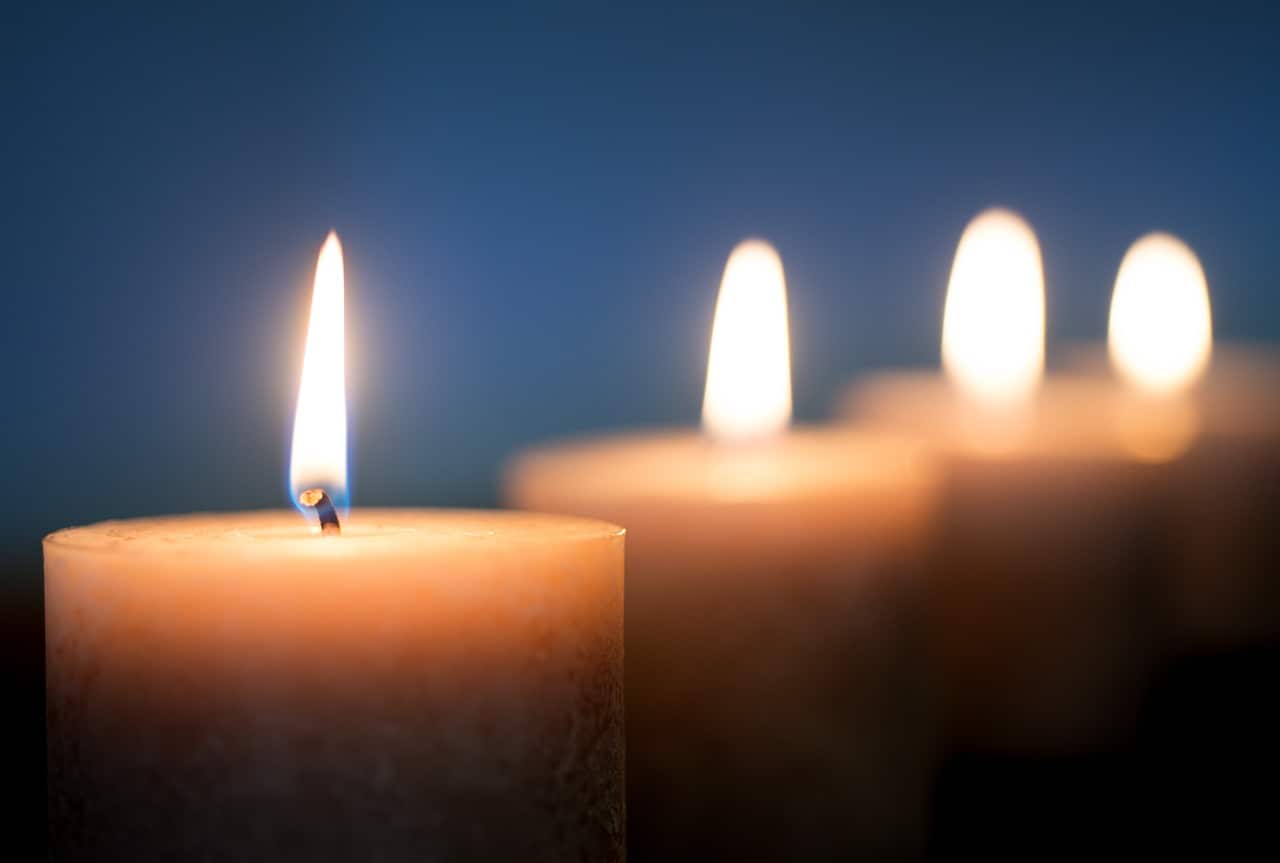
Funerals have been an integral part of human culture for millennia, evolving from simple rituals to complex ceremonies that reflect our beliefs about life, death, and the afterlife. The way we honour the deceased is deeply influenced by religion, culture, and societal norms, each shaping the practices and customs we observe today.
The Origins of Funeral Practices
The history of funerals dates back to ancient civilizations, where early humans began to bury their dead with care, signifying a belief in an afterlife. The earliest known burials, discovered in sites like the Shanidar Cave in Iraq, show that Neanderthals buried their dead with flowers, suggesting a form of ritual and respect for the deceased. These early practices laid the groundwork for more elaborate rituals in later societies.
- Ancient Egypt: Pioneers of Ritualized Funerals
The ancient Egyptians were among the first to develop complex funeral rituals, driven by their belief in the afterlife. They practiced mummification, a process of preserving the body for the journey to the afterlife, and buried the dead with goods and treasures they might need. The grand pyramids and tombs of pharaohs are iconic examples of their elaborate funerary practices.
- Greece and Rome: Funerals of Honour
In ancient Greece and Rome, funerals were public events that honoured the deceased and reinforced social status. Greek funerals involved a procession, a eulogy, and a feast, while the Romans practiced both cremation and inhumation (burial). These ceremonies often included offerings to the gods and were believed to ensure the deceased's safe passage to the afterlife.
The Role of Religion in Shaping Funeral Traditions
As religions developed, they began to play a central role in defining funeral practices, each bringing its unique beliefs and rituals.
- Christian Funerals: A Celebration of Eternal Life
Christianity views death as the transition to eternal life, and this belief is central to Christian funeral practices. Early Christians buried their dead in catacombs and later in churchyards, with the hope of resurrection. Modern Christian funerals typically involve a service with prayers, hymns, and a eulogy, followed by burial or cremation. The focus is on celebrating the deceased's life and offering comfort to the bereaved with the promise of reunion in the afterlife.
- Islamic Funerals: A Return to God
In Islam, death is seen as a return to Allah, and funerals are conducted with simplicity and dignity. Islamic funeral practices include washing the body (ghusl), enshrouding it in a plain white cloth (kafan), and offering prayers (Salat al-Janazah). Burial is preferred over cremation, as it aligns with the belief in bodily resurrection on the Day of Judgment. The body is placed in the grave facing Mecca, with the funeral focusing on prayers for the deceased's forgiveness and entry into paradise.
- Buddhist Funerals: A Path to Enlightenment
Buddhist funerals are influenced by the belief in reincarnation and the journey toward enlightenment. The rituals vary widely depending on the Buddhist tradition (Theravada, Mahayana, or Vajrayana), but they generally include chanting, offerings, and meditation. Cremation is common, reflecting the belief in the impermanence of the body. The funeral rites are intended to help the deceased transition to their next life or attain Nirvana, and they often include rituals to transfer merit to the deceased.
- Hindu Funerals: Liberation from the Cycle of Rebirth
Hinduism teaches that the soul is eternal and undergoes a cycle of birth, death, and rebirth (samsara). The goal is to attain moksha, or liberation from this cycle. Hindu funerals are typically marked by cremation, which is believed to release the soul from the body. The ceremonies involve rituals like the lighting of the funeral pyre by the eldest son and the immersion of ashes in a sacred river. The funeral rites are designed to ensure the safe passage of the soul to its next existence.
- Taoist Funerals: Honoring Ancestors and Spirits
Taoist funerals emphasize harmony with nature and the spiritual world. The rituals aim to honor ancestors and ensure the deceased's spirit finds peace. Taoist funerals often involve elaborate ceremonies with offerings, chants, and the burning of paper effigies representing money, houses, and other goods for use in the afterlife. These practices reflect the Taoist belief in the continuity of life and the importance of maintaining balance between the living and the dead.
- Jewish Funerals: A Tradition of Simplicity and Reverence
Jewish funerals are rooted in simplicity and respect for the deceased. The body is washed, dressed in a simple shroud, and placed in a plain wooden coffin. Burial is typically within 24 hours of death, reflecting the belief in returning the body to the earth quickly. The funeral service includes prayers, psalms, and the recitation of the Kaddish, a prayer for the deceased. Shiva, a seven-day mourning period, follows the funeral, during which the family gathers to honor and remember the deceased.
The Evolution of Modern Funeral Practices
In modern times, funeral practices continue to evolve, influenced by cultural shifts, technological advancements, and changing societal values. While traditional religious ceremonies remain important, there is a growing trend toward personalization in funerals, with services that reflect the individuality of the deceased.
- Green Funerals: An Emerging Trend
One significant development is the rise of green funerals, which focus on environmentally friendly practices. These funerals may include natural burials, biodegradable caskets, and conservation of natural resources, reflecting a growing awareness of ecological sustainability.
- Technology in Funerals: The Digital Age
Technology has also impacted funerals, with live-streaming services, online memorials, and digital tributes becoming increasingly common. These innovations allow for greater participation by distant family members and offer new ways to remember and honor loved ones.
Funerals are deeply personal and culturally significant rituals that have evolved over centuries. While practices may vary widely across religions and cultures, the underlying purpose remains the same: to honour the deceased, provide comfort to the living, and ensure a respectful transition from life to whatever lies beyond. Understanding the history and diversity of funeral traditions helps us appreciate the rich tapestry of human belief and the ways we cope with loss.
Why choose Harmony Funeral Care?
At Harmony Funeral Care, we aim to preserve over 60 years of tradition of serving bereaved families. We take pride in providing the best support that one can find in grief and offer:
- Dedicated And Experienced Staff To Guide You
- Competitive Funeral Packages To Ensure Affordability For All
- Free Video Montage On Funeral Day
- Transparent Pricing With No Hidden Costs
Call us now at +65 9489 2424 for a non-obligatory consultation!
Get A Quote Now
A humble service done in remembrance of Mr Tee Hock Chwee, founder of Hock Hin Undertaker established since 1963

 WhatsApp us